

Renovating a single restaurant is expensive. Renovating hundreds—or thousands—is a bet on the future of your brand. Once construction begins, there’s no quick pivot. That’s why the smartest organizations lean heavily on consumer insights long before materials are ordered or walls come down.
But here’s the tricky part: consumers react in emotions and don’t speak in blueprints. They rationalize in hindsight. They say one thing and feel another. And if you only listen to one layer of feedback, you risk making decisions based on a partial truth.
That’s where the partnership of System 1 and System 2 insights becomes essential.
The Challenge With Customer Feedback: Two Systems, One Decision
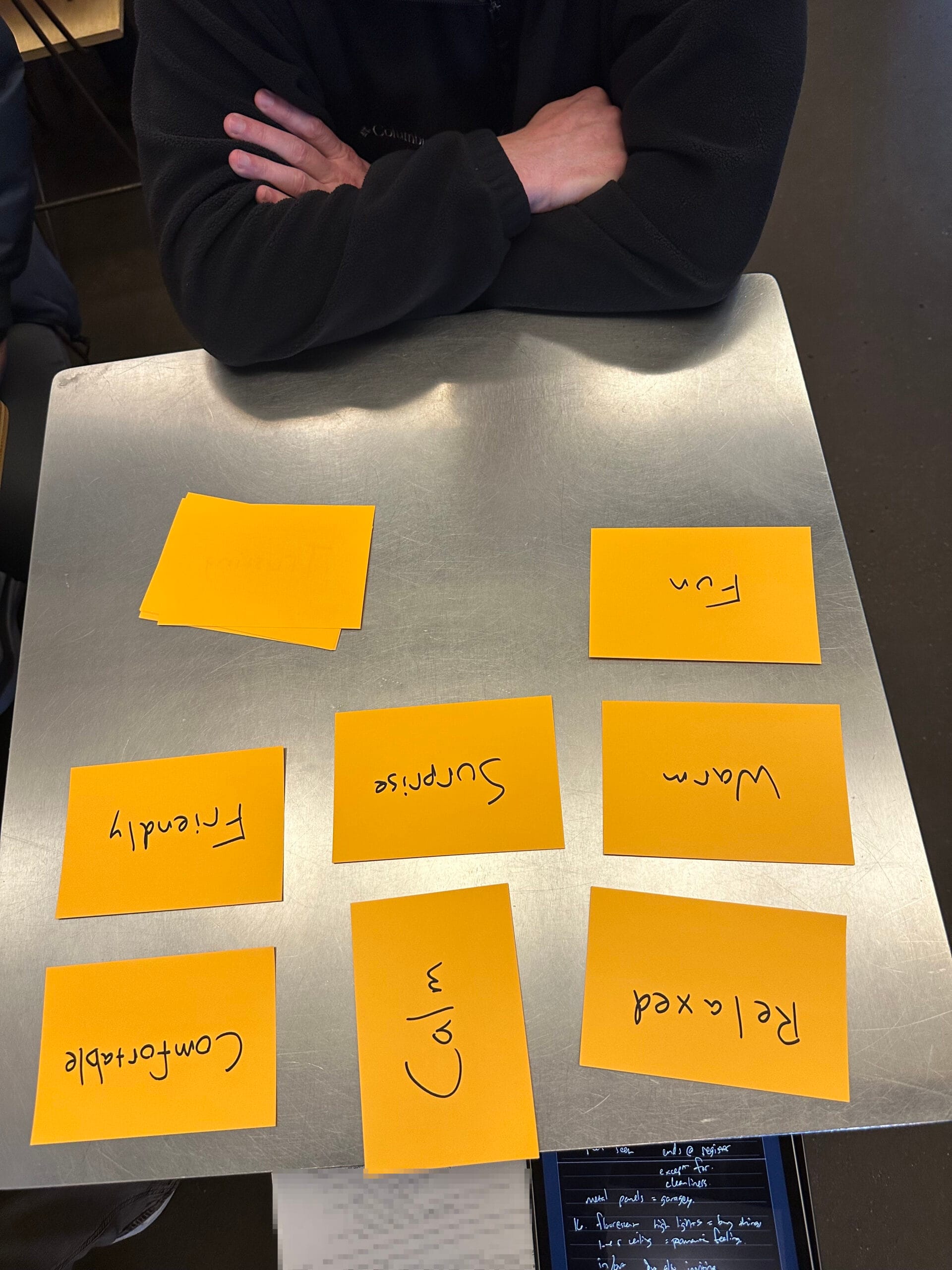
When people walk into a store, restaurant, or any environment their brains immediately fire off rapid, intuitive judgments:
Does this place feel welcoming?
Do I know where to go?
Am I on display?
Does it feel cramped?
That’s System 1. Fast, emotional, subconscious. It’s the source of gut reactions and first impressions. And when it comes to physical spaces, System 1 often drives behavior more than any verbal explanation ever will.
Then comes System 2, the slow, reflective layer. This is where articulate their reasoning:
“The lighting felt too harsh.”
“The seating layout made it difficult to have a conversation.”
“It was confusing to know where the line started.”
System 2 is what customers tell you when you ask. System 1 is what they show you through the way they behave, react, and feel.
If you only listen to one, you’ll miss the truth.
Why Both Systems Matter for High-Cost Decisions
When the stakes are low, brands can tweak a few things and learn as they go. But remodeling an entire system of restaurants requires a high level of confidence. You need to understand what people say PLUS what actually shapes their behavior when no one is watching.
This creates a unique research responsibility:
System 1 tells you the emotional consequences.
It reveals the anxieties, the comforts, the excitement, the subtle signals your space sends within seconds.
System 2 tells you the rational interpretation.
It helps you understand why the space works (or doesn’t) and gives clues to trace emotional responses back to tangible design elements.
The magic happens when you interpret the two together:
System 1 identifies the feeling. System 2 helps you identify the cause.
How We Bring the Two Systems Together: A Real‑World Example
In a recent restaurant design research project, we began with virtual ethnographies—participants shared their experiences and reactions in real time, before they could edit them or detect what the project was about.
This gave us raw System 1 data:
Spontaneous comments about lighting and noise
Micro expressions of discomfort or delight
The hesitation before choosing a seat
The subconscious scanning for privacy, comfort, or crowding
Then we did in restaurant interviews, where the same participants had more time to reflect. We asked them to walk through the space, narrate their thoughts, react to specific design elements, and describe their emotions in a more deliberate way.
This gave us rich System 2 clarity:
Why certain seating zones felt inviting or off putting
Subconscious associations at the root of feelings and behaviors
How design influenced the perception of brand modernity
What design choices elevated or diminished the dining experience
Careful sequencing is vital to capturing unbiased reactions from each System, and when we overlaid the two, patterns emerged — patterns a single method alone would never have surfaced.
From Insights to Actionable Design Hypotheses
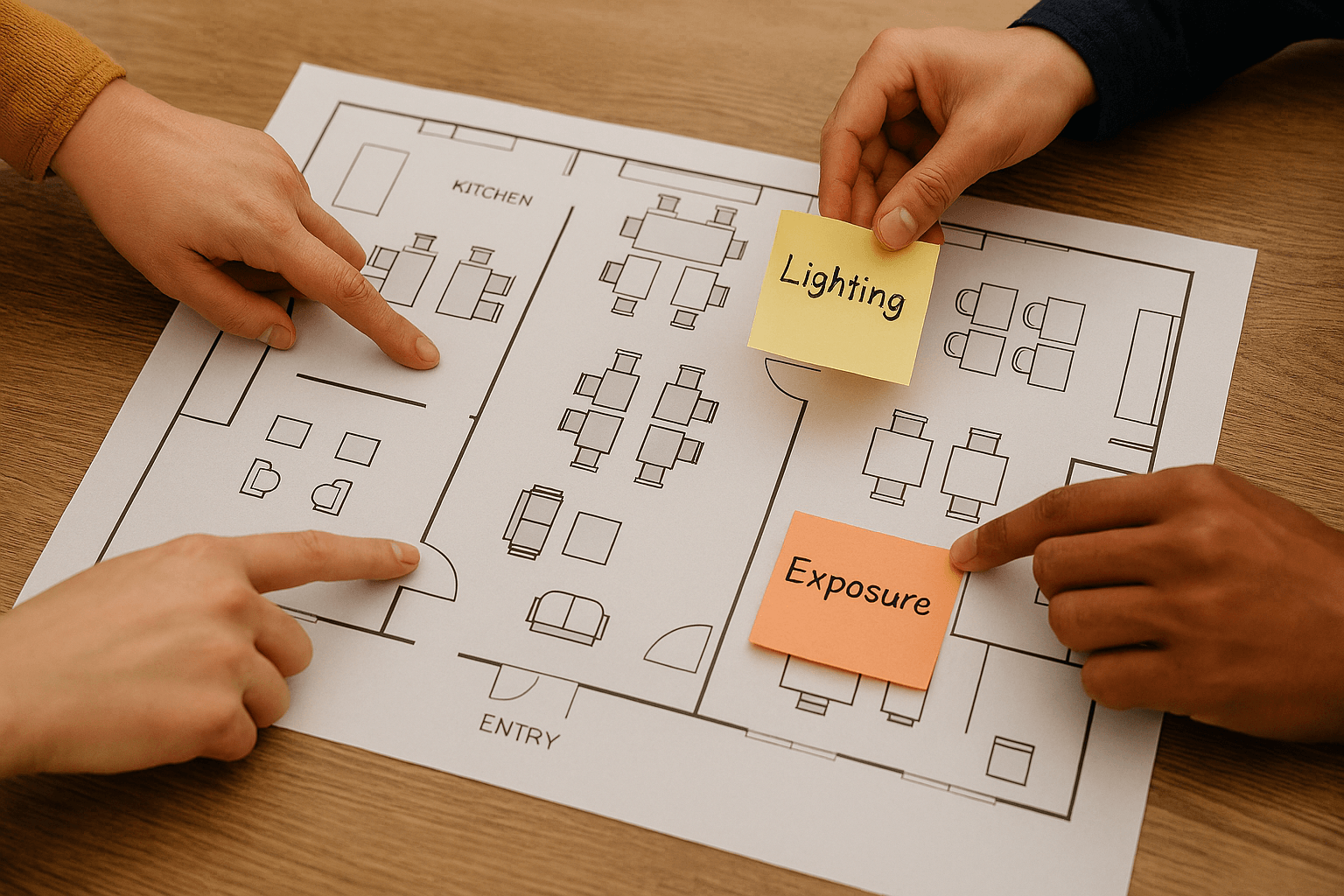
Blending both systems allowed us to translate raw human reactions into structured design hypotheses. And these hypotheses weren’t guesses. They were emotionally grounded and rationally validated.
Then came the exciting part: iteration with the design team. Because insights were so clear, we could easily identify the design deltas holding a restaurant back – and the elements that feel essential to the brand identity.
The Payoff: Confident Decisions at Scale
By the end of the project, the organization wasn’t relying on abstract preference data. They were using a layered, human centered understanding of:
Which formats to champion
Which to evolve
Which design principles should guide future builds
And most importantly, they had the confidence to invest at scale—because decisions were built on the full truth of customer experience.
The Bottom Line
Physical design is emotional. And business strategy is rational. Renovating thousands of stores requires you to honor both truths.
System 1 tells you how a space really makes people feel.
System 2 tells you how to improve it.
When you combine them thoughtfully, you don’t just build better spaces—you build better outcomes, for customers and the business.
Drop us a note at hello@catapultinsights.com if you want to learn more about how you can leverage system 1 and 2 insights to elevate your design strategies.
JUSTIN SUTTON
CO-FOUNDER
CATAPULT INSIGHTS
Justin Sutton has led qualitative and mixed-method research programs for brands including retail, QSR, CPG, financial services, and durable goods organizations. His work focuses on behavioral drivers, innovation, Moments of Truth, and the intersection of System 1 and System 2 decision-making.